

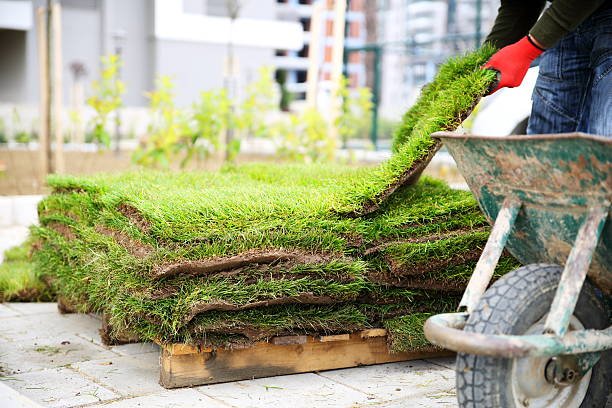
Jacksonville weather loves to show off. Hot sun. Sudden rain. Humid air that sticks around all day. Lawns either survive it or struggle hard. Choosing the right grass turns into a big deal fast. Centipede sod in Jacksonville, FL, often pops up in these talks for good reason. This grass keeps things simple. It stays calm in the heat. It handles rain without drama. Homeowners chasing a relaxed lawn vibe often lean this way. Understanding how this sod reacts to heat and rain helps avoid surprises later. The sections below break it all down in plain language.
Understanding Jacksonville’s Climate First
Jacksonville brings long summers. Heat hangs around from late spring into fall. Rainstorms roll in fast and leave just as quickly. Some weeks feel soaked. Other weeks dry out fast.
Grass faces stress here. Roots deal with wet soil one day and dry ground the next. The sun beats down hard. Humidity stays high. Only certain sod types keep their cool.
Centipede sod fits right into this chaos. It grows naturally in warm climates. It prefers steady care instead of heavy feeding. Those traits give it an edge.
How Centipede Sod Handles Intense Heat?
Heat causes trouble for lawns. Blades burn. Roots dry out. Growth slows. Centipede sod responds differently. This grass spreads low and tight. Blades sit closer to the soil. Sun still hits it hard, yet moisture stays trapped near the roots. Less evaporation happens during peak heat. Centipede sod also grows more slowly than other warm-season grasses. Slower growth means less stress during extreme temperatures. Energy goes into survival instead of fast growth.
Another plus shows up in color. Centipede sod keeps a soft green shade even when the heat climbs. It may not look neon bright, yet it avoids scorched patches.
Heat tolerance benefits at a glance
- Deep root system holds moisture longer
- Low growth habit reduces sun stress
- Minimal fertilizer needs limit burn risk
- Natural adaptation to Southern heat
Proper mowing height helps, too. Cutting too short exposes the soil. Leaving blades slightly taller shields roots from direct sun.
How Heavy Rain Impacts Centipede Sod?
Rain sounds helpful until it becomes too much. Jacksonville storms dump water fast. Poor drainage can ruin a lawn. Centipede sod handles rain better than expected. Roots spread sideways and grip soil well. Water drains through without sitting too long.
This sod dislikes soggy ground for long periods. Short bursts of rain suit it best. Good soil prep keeps roots healthy during wet weeks. Drainage plays a huge role here. Sandy or well-mixed soil allows water to move away fast. Compacted clay causes problems for any grass.
Rain response highlights
- Strong lateral roots resist washout
- Handles quick storms with ease
- Prefers soil with good drainage
- Avoids fungus when airflow stays good
After storms, sunlight dries blades quickly. Reduced moisture on leaves lowers disease risk. Centipede sod benefits from open airflow and proper spacing.
Comparing Centipede Sod to Other Popular Grasses
Choosing sod often comes down to comparison. Jacksonville homeowners look at several options before deciding. Zoysia grass sod in Jacksonville, FL, often enters the conversation. Zoysia handles traffic better. It grows thicker. It also needs more feeding and mowing.
Centipede sod wins in low-effort care. It asks for less fertilizer. It grows more slowly. Maintenance stays light. Heat tolerance stays solid with both grasses. Rain tolerance varies based on soil prep. Centipede sod edges ahead in low-input lawns.
Zoysia suits manicured yards with regular care. Another difference lies in texture. Centipede sod feels softer underfoot. Zoysia feels denser. Both look great when installed correctly.
Soil Conditions Matter More Than Anything
Centipede sod loves slightly acidic soil. Jacksonville soil often leans sandy with mixed acidity. This combo works well. Soil testing helps avoid surprises. High pH causes yellowing. Correcting the soil before installation saves time later. Good soil allows heat and rain tolerance to shine. Poor soil blocks roots.
Water pools. Heat stress rises. Adding organic matter improves moisture balance. Sand drains fast. Compost holds moisture longer. Balanced soil keeps roots happy during weather swings.
Watering Habits for Hot and Rainy Seasons
Overwatering hurts centipede sod. Underwatering causes stress. Balance matters.
During heat waves, deep watering once or twice a week works best. Light daily watering weakens roots. Rainy weeks require patience. Sprinklers should stay off after storms. Let the soil dry slightly before adding more water. Centipede sod signals stress early. Curling blades or dull color point to thirst. Yellow patches often signal too much water or poor drainage.
Fertilizer Use During Heat and Rain
Centipede sod prefers low feeding. Too much fertilizer burns roots fast, especially in heat.
A light feeding in late spring works well. Avoid heavy fertilizer during peak summer heat. Rain can wash nutrients away or push them too deep. Slow-release products help maintain steady growth. Fast-acting fertilizers cause stress during weather extremes. Balanced nutrition strengthens roots. Strong roots handle heat and rain with ease.
Common Problems During Extreme Weather
Heat and rain bring challenges. Knowing the signs early prevents damage.
Heat stress shows as slow growth and faded color. Rain stress shows as yellow patches or fungus spots. Good airflow reduces issues. Avoid overcrowding plants near the lawn. Sunlight dries moisture faster. Centipede sod resists pests fairly well. Healthy grass fends off bugs better than stressed lawns.
Long-Term Durability in Jacksonville Yards
Centipede sod builds strength over time. Roots spread wider each season. Soil becomes more stable. Once established, this grass handles seasonal swings with ease. Heat waves feel less scary. Rainstorms cause less worry. Regular care keeps it looking calm and clean. Minimal inputs lead to steady results. Centipede sod in Jacksonville, FL, continues to attract homeowners who prefer relaxed lawn care without constant effort.
When to Consider Other Options
Some yards face heavy foot traffic. Play areas or pets add wear. Centipede sod struggles under constant pressure. In those cases, zoysia grass sod in Jacksonville, FL, may suit better. Zoysia handles traffic yet needs more upkeep. Shade also affects choices. Centipede sod prefers sun. Partial shade works. Deep shade causes thinning. Matching sod to yard conditions ensures success.
Installation Timing Makes a Difference
Spring and early summer offer ideal install windows. Warm soil helps roots establish fast.
Avoid installing during extreme heat. Stress increases during root establishment.
Rain after installation helps. Too much rain causes a washout. Balanced timing leads to better results. Professional installation ensures proper soil prep and leveling.
FAQs
1. Does centipede sod survive long heat waves?
Yes. Deep roots and low growth habits help manage heat stress well.
2. How does heavy rain affect centipede sod?
Short storms cause little trouble. Poor drainage creates issues if water sits too long.
3. Is centipede sod low maintenance?
Yes. Slow growth and low fertilizer needs keep upkeep simple.
4. Can centipede sod grow near the coast?
Yes. It handles coastal humidity well when the soil drains properly.
5. How often should centipede sod get watered?
Deep watering once or twice weekly works best, depending on rainfall.
Ready for a Lawn Built for Jacksonville Weather?
A yard upgrade starts with smart sod choices. Heat and rain no longer need to cause stress. Contact Coastal Serenity Landscapes LLC Today and create a lawn that stays cool, strong, and inviting all year. Schedule a consultation today and enjoy a yard designed to handle Jacksonville weather with confidence.


