

Bermuda Grass Sod for Jacksonville: What Homeowners Should Know
A green lawn can make your home feel more welcoming. It gives children room to play, pets space to run, and families a comfortable place to spend time outdoors. But in Jacksonville, choosing grass that can handle the local weather is just as important as getting the lawn to look good. Bermuda grass is one option worth considering, especially for sunny yards that see regular foot traffic.
Before choosing bermuda grass sod in Jacksonville, FL, it helps to understand how this grass grows, what care it needs, and whether it suits your property.
Why Is Bermuda Grass Popular in Jacksonville?
Jacksonville’s warm summers and mild winters make warm-season grasses a practical choice for many homeowners. Bermuda grass grows actively in warm weather and can create a dense, green lawn when it receives enough sunlight and proper care.
One reason homeowners choose Bermuda grass is its ability to handle regular use. If your yard is a favorite spot for outdoor games, family gatherings, or pets, this grass can be a good fit.
Bermuda grass is known for several useful qualities:
- Good wear tolerance: It can recover from regular foot traffic when properly maintained.
- Dense growth: Its spreading growth habit helps create a full lawn under suitable conditions.
- Warm-weather performance: It grows well during Jacksonville’s warmer months.
- Fast establishment: Sod can provide an instant green surface while its roots begin growing into the soil.
However, Bermuda grass generally needs plenty of direct sunlight. If your yard has large trees or heavily shaded areas, another grass type may work better.
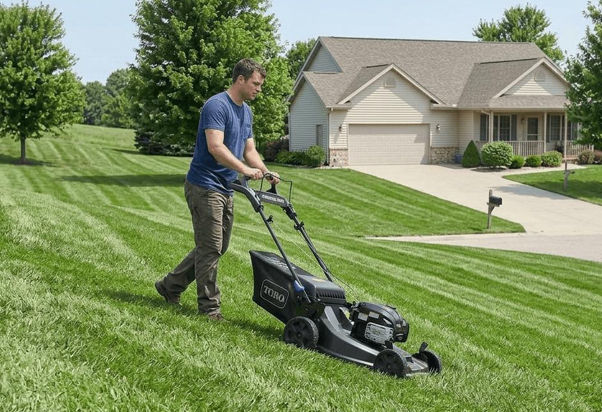
Is Bermuda Grass Sod Right for Your Yard?
Think about how you use your outdoor space before ordering sod. A sunny front lawn with open space may suit Bermuda grass well, while a backyard shaded by mature trees could present challenges.
Jacksonville’s sandy soil and heavy rainfall also deserve attention. Sandy soil often drains quickly, which can make it harder to keep new sod evenly moist. On the other hand, poorly graded areas may collect water after heavy rain.
Before choosing Bermuda grass, consider these questions:
- Does your lawn receive several hours of direct sunlight each day?
- Do children, pets, or visitors regularly walk across the grass?
- Does rainwater drain properly, or do puddles remain for long periods?
- Can you water and mow the lawn regularly during the growing season?
Answering these questions can help you choose grass that fits your property and daily routine.
What Should You Know Before Installing Bermuda Grass Sod?
Fresh sod can transform a bare yard quickly, but proper ground preparation makes a real difference in how well it establishes. Simply placing grass over uneven or compacted soil may lead to patchy growth and drainage problems.
A well-planned installation typically includes:
- Preparing the ground: Remove weeds, old grass, debris, and other obstacles.
- Leveling the soil: Create an even surface and address grading concerns before laying sod.
- Checking drainage: Make sure water can move away rather than collecting in low spots.
- Laying the sod: Fit the pieces closely together to reduce visible gaps.
- Watering after installation: Keep the sod and underlying soil moist while roots establish, without leaving the lawn waterlogged.
Professional sod installation services in Jacksonville, FL, can help homeowners manage these steps and avoid common installation mistakes. Your installer can also explain the watering and mowing schedule needed during the first few weeks.
How Do You Keep Bermuda Grass Looking Healthy?
Once your new lawn begins establishing roots, consistent care helps it grow into a thick, attractive surface. Bermuda grass usually needs regular mowing, adequate sunlight, and watering that matches the weather and soil conditions.
Keep these basic practices in mind:
- Mow at the recommended height for your Bermuda grass variety, and avoid cutting too much at once.
- Water deeply when needed rather than keeping the soil constantly saturated.
- Check for weeds, pests, and signs of nutrient deficiencies.
- Adjust watering after heavy rain or during particularly hot, dry periods.
Bermuda grass also becomes dormant during cooler weather, so its color may fade to brown in winter. This is a normal part of its growth cycle, not necessarily a sign that your lawn is dying.
Key Takeaways:
A beautiful lawn begins with the right grass, careful preparation, and a plan that suits your property. When comparing landscaping companies in Jacksonville, FL, look for a team that understands local soil, drainage, and grass-growing conditions.
At Coastal Serenity Landscapes, we help Jacksonville homeowners create outdoor spaces that feel welcoming and are practical for everyday living. From choosing suitable sod to preparing the ground and installing each piece with care, we focus on the details that support healthy growth.
If Bermuda grass sounds right for your yard, let us help you plan the next step. Contact Coastal Serenity Landscapes to discuss your lawn, explore your sod options, and arrange an installation plan that fits your outdoor space.


