

Complete Guide to Mulch Installation for Jacksonville Landscapes
If you live in Jacksonville, you already know how quickly a yard can shift from fresh and clean to dry and uneven looking. The heat, humidity, and sudden rain can make landscape care a constant effort. This is where mulch becomes a simple but powerful solution that keeps your outdoor space healthier and more attractive with less stress.
This guide walks you through everything you should know about mulch in Jacksonville, FL, how it works, and how it can completely change the way your yard looks and feels.
Why Mulch Matters in Jacksonville Yards
Mulch is more than just a finishing layer on soil. It plays a real role in protecting and improving your landscape.
In Jacksonville’s climate, mulch helps by:
- Holding moisture in the soil during hot days
- Reducing weed growth that spreads quickly in warm weather
- Keeping soil temperature more stable
- Preventing soil erosion during heavy rain
- Improving the overall appearance of your yard
When you think about it, mulch is like a protective blanket for your landscape. It quietly does the hard work while your plants stay healthier underneath.
Choosing the Right Mulch for Your Landscape
Not every yard needs the same type of mulch. Your choice depends on your plants, design style, and maintenance preference.
Here are common options you will come across:
1. Organic Mulch
This includes wood chips, bark, and pine needles. It breaks down slowly and adds nutrients to the soil. It works well for garden beds and plant-heavy areas.
2. Inorganic Mulch
This includes stone, rubber, or gravel. It does not break down and lasts longer. It is often used for decorative areas or low-maintenance spaces.
3. Colored Mulch
This is dyed wood mulch that gives a clean, uniform look. It is popular in residential landscapes for visual appeal.
When selecting mulch, think about what matters more to you: soil health, appearance, or long-term durability.
Step-by-Step Look at Mulch Installation
Understanding the process helps you know what to expect, whether you are doing it yourself or hiring help.
1. Preparing the Area
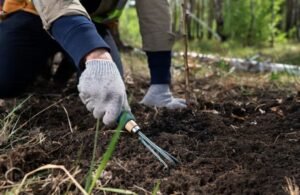
The ground is cleared of weeds, old mulch, and debris. This step is important because leftover weeds can grow back quickly.
2. Edging the Beds
Clean edges are created around garden beds. This keeps mulch in place and gives your yard a structured look.
3. Adding a Weed Barrier (Optional)
Some landscapes use a fabric layer to reduce weed growth. It is not always necessary but can help in high-maintenance areas.
4. Spreading the Mulch
Mulch is evenly spread across the soil. The layer is usually kept at a balanced thickness so it protects without suffocating plants.
5. Final Touch and Clean-Up
Everything is leveled and shaped neatly. Walkways and surrounding areas are cleaned so the yard looks polished.
Common Mistakes Homeowners Should Avoid
Mulch installation looks simple, but small mistakes can affect your entire landscape.
Here are a few things to avoid:
- Piling mulch too high around plant stems or tree trunks
- Using too little mulch, which reduces its benefits
- Skipping weed removal before installation
- Choosing mulch only based on color instead of function
- Not refreshing mulch when it breaks down over time
A well-installed mulch layer should look natural, not overdone or messy.
How Mulch Improves Long-Term Landscape Health
Mulch is not just about looks on day one. Its real value shows over time.
With proper mulch installation, your landscape can:
- Stay greener during dry weeks
- Require less frequent watering
- Support healthier plant roots
- Reduce constant weed growth
- Maintain a cleaner, more organized appearance
It quietly supports your entire yard without demanding constant attention.
Why Consider Professionals for Mulch Installation
While mulch may seem like an easy weekend project, professional installation often makes a big difference in long-term results.
Here is why many homeowners prefer expert help:
- Proper depth and even distribution across all areas
- Better preparation of soil and weed control
- Cleaner edging that improves landscape design
- Knowledge of the right mulch type for Jacksonville weather
- Time savings, especially for larger properties
Professionals also understand how mulch behaves over time, which helps avoid common issues like soil suffocation or uneven fading.
In Closing:
At Coastal Serenity Landscapes, we focus on creating outdoor spaces that feel balanced, healthy, and easy to maintain. Our approach to landscape mulch installation is careful, detail-focused, and built around the needs of Jacksonville properties. We handle everything from preparation to final finishing so your yard looks clean, fresh, and naturally polished without extra stress on your end.
If your yard needs a refreshed and well-finished look, we are ready to help you achieve it with care and consistency. Connect with Coastal Serenity Landscapes today and let’s bring a cleaner, healthier, and more refined look to your outdoor space.
FAQs
-
What is mulch used for in landscaping?
Mulch is used to protect soil, keep moisture in, reduce weed growth, and improve how a yard looks. It also helps plants grow healthier.
-
How often should mulch be replaced in Jacksonville?
Mulch usually needs refreshing once or twice a year in Jacksonville because heat, rain, and humidity make it break down faster over time.
-
How thick should mulch be applied?
A good mulch layer is about 2 to 3 inches thick. This is enough to protect soil without blocking air or water from reaching plant roots.
-
Can mulch stop weeds completely?
Mulch does not stop all weeds, but it reduces them a lot by blocking sunlight. A proper layer makes weed control much easier and less frequent.
-
Is professional mulch installation better than DIY?
Yes, professionals give even coverage, proper depth, and clean edges. This helps mulch last longer and improves both plant health and overall landscape appearance.


